
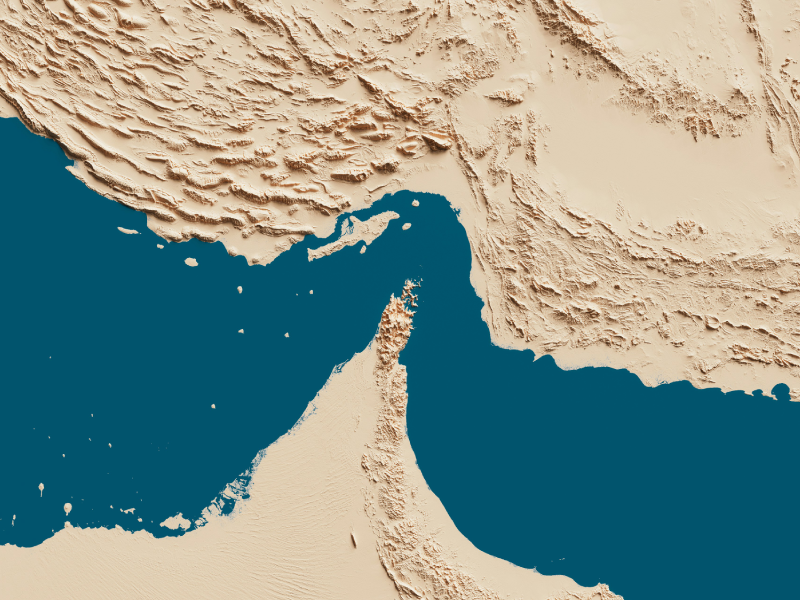
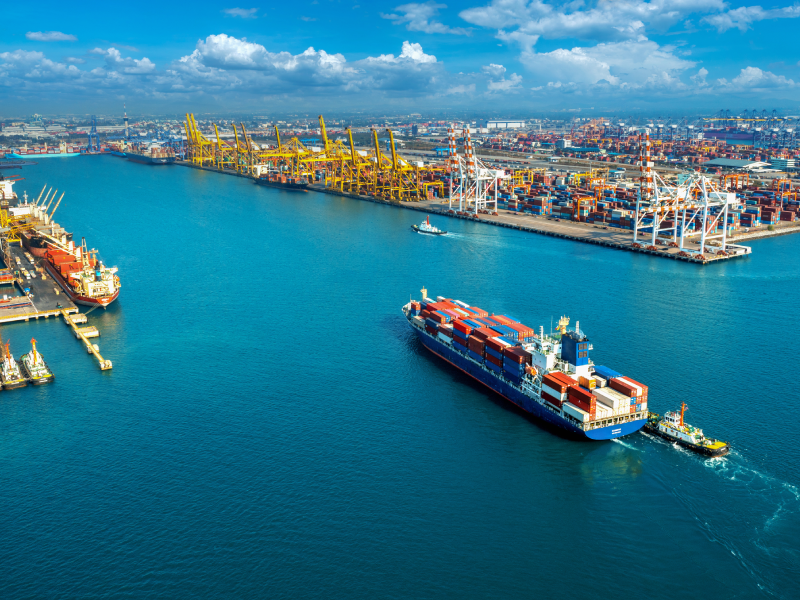
16.04.2026. The Strait of Hormuz and the Red Sea–Suez Canal corridor form a central bridge linking Asia and the Middle East with European markets. Any instability in these routes immediately reverberates through global supply chains. African hardwood exports to Europe benefit from a structural advantage: they largely bypass the geopolitical chokepoints.
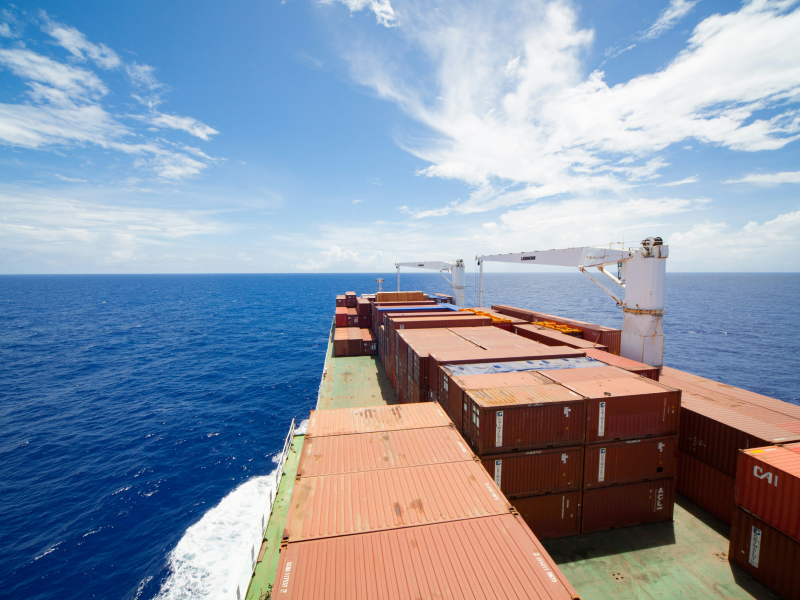
Photo © Kurt Cotoaga / unsplash
For shipping companies, the risks are tangible: heightened security concerns, rising insurance premiums and operational uncertainty.
In response, several carriers have already adjusted their routes ,or suspended services or increased their prices, diverting vessels away from affected areas.
When ships avoid the Red Sea or the Persian Gulf, they frequently reroute via the Cape of Good Hope, significantly extending transit distances between Asia and Europe.
This shift in maritime logistics has several immediate consequences.
First, shipping times increase. Detours around southern Africa can add up to two or three weeks to Asia–Europe transit times, disrupting delivery schedules and complicating inventory planning.
Second, freight costs rise. Longer routes, higher fuel consumption, increased insurance premiums and tighter vessel availability all contribute to upward pressure on transport prices.
Third, supply reliability becomes more volatile. Port congestion, irregular vessel availability and shifting schedules introduce additional uncertainty into already complex global supply chains.
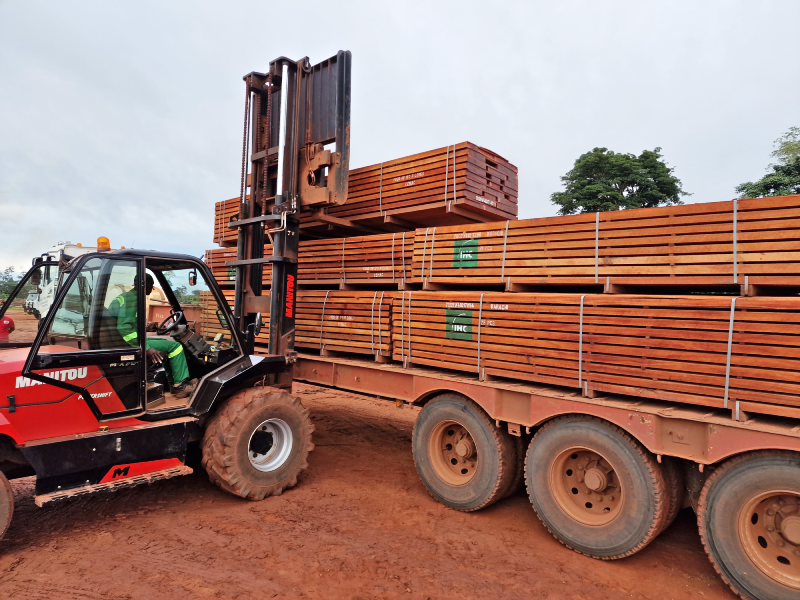
For the timber industry, these dynamics are particularly relevant. Large volumes of finished wood products exported from Asia — including plywood, flooring, mouldings and furniture components — rely heavily on stable shipping routes through the Suez Canal and the Red Sea. When these corridors become unpredictable, European buyers may face longer lead times, higher logistics costs and less reliable supply.
In this evolving environment, the geography of supply becomes increasingly strategic. African hardwood exports to Europe benefit from a structural advantage: they largely bypass the geopolitical chokepoints currently affecting shipping between Asia and Europe. Maritime routes from Central and West Africa to European ports primarily follow Atlantic corridors, remaining largely insulated from tensions in the Persian Gulf and the Red Sea. This shorter and more direct maritime distance can translate into greater logistical predictability.
When other supply chains face disruption, proximity and route stability become valuable assets.
For procurement teams, this reliability matters. In periods of heightened geopolitical risk, buyers tend to favour suppliers capable of delivering consistent volumes, predictable transit times and well-documented supply chains.
This shift highlights a broader trend in global timber markets. Historically, competitiveness was largely determined by resource availability and price. Today, logistics resilience is becoming an equally important factor.
Suppliers able to absorb upstream volatility — whether linked to geopolitical tensions, shipping disruptions or market fluctuations — increasingly stand out in a more complex trading environment. If instability in the Middle East persists, global trade patterns may gradually adapt.
Supply bases that combine responsible forest management, industrial processing capacity and stable maritime access to key markets could gain further relevance. In today’s timber markets, geography is no longer only about where forests grow. It is also about how securely and predictably wood can travel from forest to market.
About Interholco
The valorisation of a natural forest of 1.16 million hectares in the Republic of Congo Brazzaville is our DNA here at INTERHOLCO. As an FSC® (Forest Stewardship Council®, FSC® C022952) and PEFC and PAFC certified producer, INTERHOLCO is a well-established player in the trade of its edged boules, sawn timber, glue laminated scantlings, decking boards and more.
We are a leading provider of high-quality wood products ‘Made in Africa’ holding a verified environmental and health performance statement (FDES requirement in France). Our teams carefully manage the supply chain from our forest to B2B customers. We make it possible to design and build a living environment with wood, one of the nature-based solutions for people, planet and climate. Follow us on LinkedIn
Communication contact Interholco
Tullia Baldassarri Höger von Högersthal
INTERHOLCO AG, Neuhofstr. 25, 6340 Baar, Switzerland
Tel.: +41 (0)41 767 03 82
E-mail: This email address is being protected from spambots. You need JavaScript enabled to view it.